Film photography is making a major comeback – not just among LP listeners and vintage collectors – but now as a sought-after choice for wedding photography. But what does it mean to include film photography on your wedding day? Is it a risk, how much should you budget for this added cost, and how can you incorporate film seamlessly alongside digital photography?
We spoke with two expert Pittsburgh wedding photographers, Anne Troxel and Brianna Hall, to gather insight on using film on your wedding day. They’ll help with planning your timeline, choosing the locations with the best lighting, embracing the natural imperfections of film, and even adding Super-8 wedding video. With their advice, this guide covers everything couples need to know to capture timeless, intentional, and unforgettable wedding images on film.
Understand the Value & Cost of Film Photography
As a couple, it’s important to ask why you want to incorporate film photography into your wedding day. This step can help you determine the personal, sentimental, or practical value of the process, deciding if it’s ultimately worth the price. Is it a nostalgic nod to your grandparents’ wedding? Do you appreciate the chemical and analog elements that make film so unique in a digital world? Or are you hoping to capture film imagery for trendy Instagram-worthy moments?
“Film is expensive,” explains Anne Troxel, “especially video styles like Super-8! There are plenty of invisible expenses. There are upfront costs like the film, the camera, and an external light meter. The film then has to be shipped, processed in a chemical bath, and finally, scanned. This process is extremely manual, time-consuming, and specialized.”
Anne continues, “The difference between partnering with a mid-level lab versus an incredible lab will be obvious in the final result, and those great labs charge their value. To get scans large enough to print comparably to digital, expect to pay an extra premium. Film adds the challenge of carrying additional cameras, film rolls, labels, and potentially more lenses and accessories. Loading the film is a manual process that takes more than a moment. When you’re looking at a busy wedding day timeline, one of the best solutions from a photographer’s perspective is to add a film-specific assistant for the day. This, you guessed it, adds to the overall cost.”
Prioritize Location & Light for Film Photos
Film doesn’t work the same way digital photography does – digital can adapt from bright light to low light with the scroll of a wheel, but film needs natural light. This affects your wedding timeline, the types of images you can capture, and the overall look and quality of your photos, depending on the season and unpredictable factors like weather.
“If you want film to be a priority on your wedding day, choosing locations where it will really shine with your photographer will make a huge difference, rather than trying to just fit it in,” notes Anne. “Having long, sunny summer days makes film easy, but shorter fall and winter weddings, when it’s dark by 4:30 p.m., can make getting those stunning, bright film vibes less achievable.”
“If your wedding is later in the year and you love the light-and-bright look, it makes sense to factor in doing a first look earlier in the day to allow the film to shine at its best,” she adds.
Plan for Additional Photo Time
“The days when film feels best are the ones with lots of coverage hours, where we can both take a deep breath and not be racing against the clock on your timeline,” explains Anne. “If we’re in a rush and only have five minutes for portraits, we’re probably going to have to prioritize getting digital images for the essentials.”
As a couple, consider whether the extra time needed for metering film, loading, and taking that intentional pause fits into your wedding timeline. “It’s a way to slow down and be intentional about each shot,” Anne reminds.
Embrace the Imperfections of Film Photography
Film photography doesn’t offer a camera preview. This style of photography embraces the unpredictable – the occasional soft focus, shifting light, and natural imperfections that make each image unique.
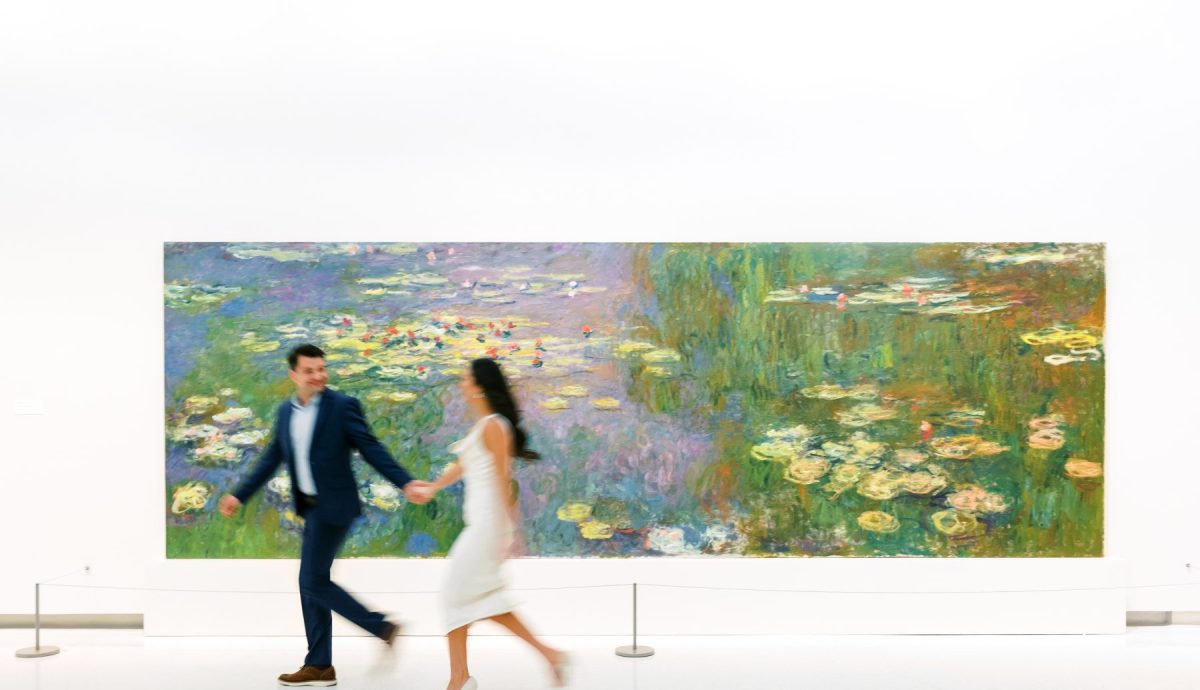
“One of the magical things about film is how the sometimes technically imperfect becomes perfect,” Anne says. “Sometimes that very soft focus, chosen because the light is fading so quickly during golden hour, makes the most angelic, glowing portrait. Sometimes the cocktail hour portrait where your niece runs through the frame in a blur becomes the image that captures the entire mood of the day. These little so-called imperfections or limitations are part of what makes film special.”
Film Photography Tips For Your Wedding
In the words of Brianna Hall of Iris Marie Photography, “Go 100% film for your wedding.” And for anyone else, you can still incorporate film in a way that makes sense for your day, while keeping the security of digital imagery. Here are Brianna’s top tips for executing, embracing, and incorporating film photography.
Add a roll or two of film for specific moments in your day.
This makes those moments feel even more special. For example, use a roll exclusively for your wedding party portraits, just for your couple’s portraits, or only for flash film photos at the end of the night!
For full coverage with film throughout the day, opt for at least one roll of film per hour to ensure your key moments are captured beautifully, while utilizing regular (digital) photos.
Don’t forget film video!
Super-8 is an incredible addition to your wedding day, capturing moments in motion with a timeless, vintage style.
If you’re feeling brave, go 100% film for your wedding.
The images become intentional, purposeful, and finite, giving them a unique, irreplaceable quality.